
Your Trusted Accounting / ERP System for BIR EIS & CAS Compliance
Built for finance leaders who value accuracy, automation, and compliance. NetSuite keeps you aligned with evolving BIR mandates.
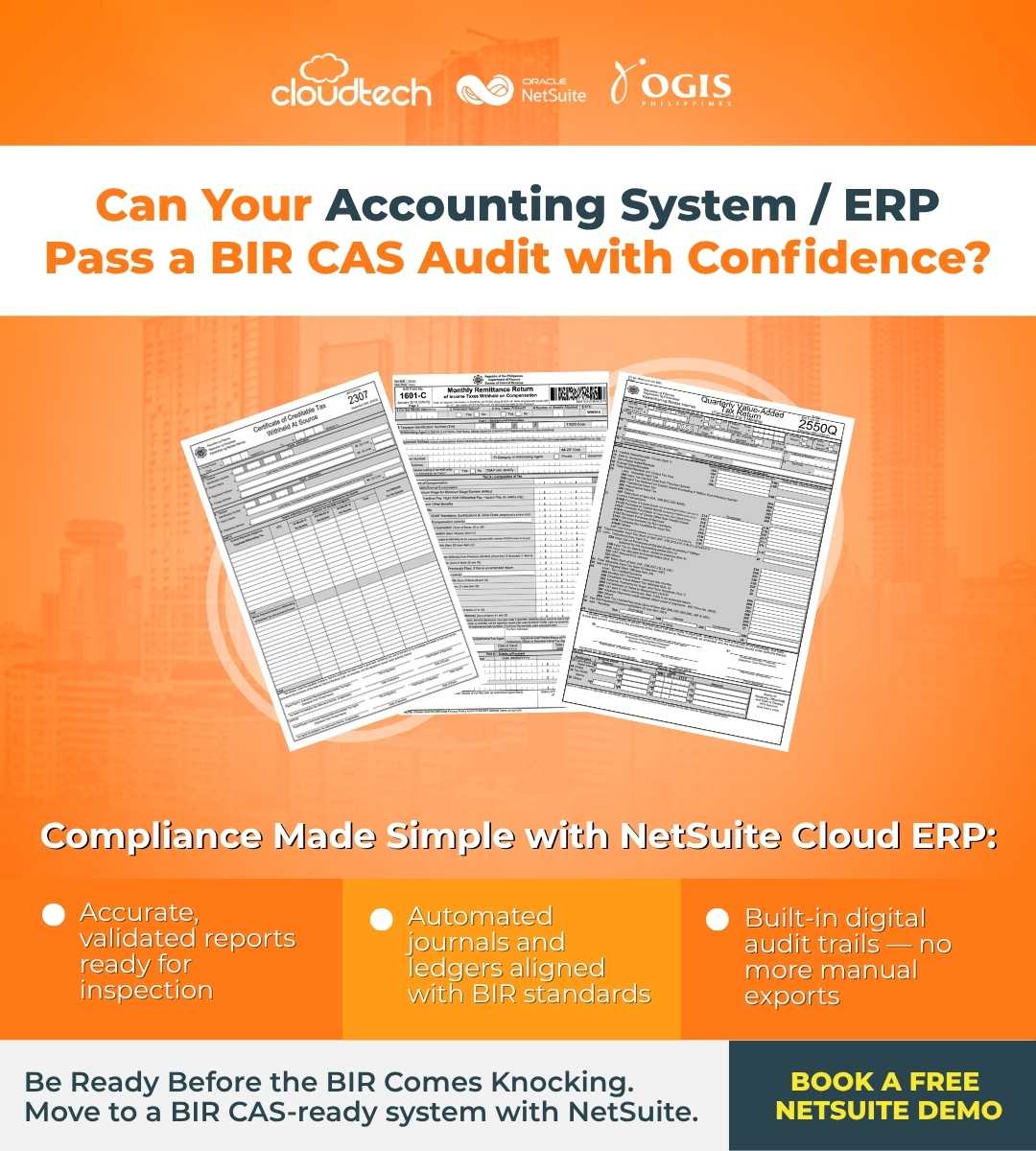
Why BIR Compliance Matters?
The Philippines’ Bureau of Internal Revenue, detailed in BIR Revenue Regulation No. 09-2009, outlines the obligations and responsibilities for Filipino taxpayers. This regulation focuses on using electronic systems, particularly the Computerized Accounting System (CAS), for maintaining accurate records and books of accounts. For larger taxpayers, adherence to this regulation has been mandatory since January 2010. Essentially, it mandates that all companies comply with BIR accounting standards, necessitating the use of BIR-certified systems for their operations.
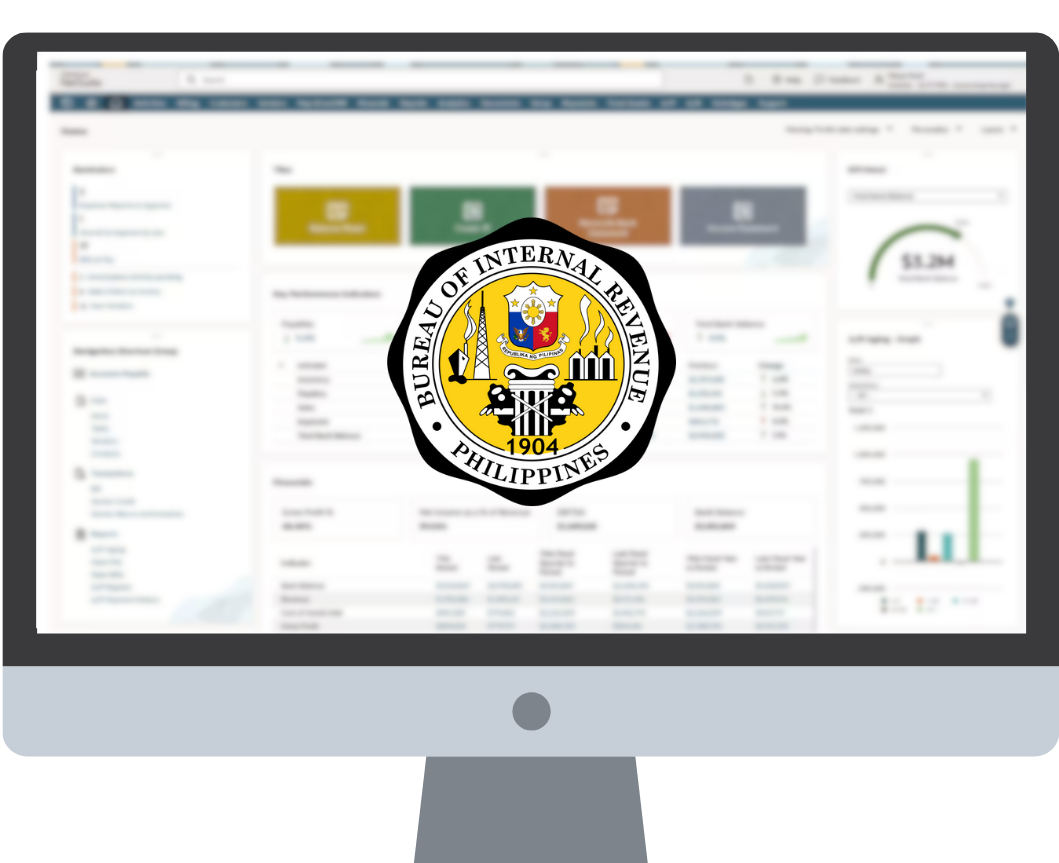
Oracle NetSuite Accounting Solutions
Chart of Account Creation and Maintenance
This feature allows for the creation and management of a structured list of all financial accounts used by the organization. It enables the definition of account types, hierarchies, and segments for detailed financial tracking and reporting. Users can customize the chart of accounts to align with specific business needs and reporting requirements, ensuring accurate categorization and analysis of financial transactions.
Profit / Cost Centers
This functionality allows organizations to define and track financial performance at the departmental, project, or location level. By assigning transactions to specific profit or cost centers, businesses can analyze profitability, identify areas of cost overrun, and make informed decisions about resource allocation and operational efficiency
General Ledger
The general ledger serves as the central repository for all financial transactions. It provides a comprehensive record of debits and credits, categorized by account.
Trial Balance
This feature generates a report that lists all general ledger accounts and their balances. It serves as a critical tool for verifying the accuracy of the accounting records by ensuring that total debits equal total credits. The trial balance is a key step in the financial close process.
Accounts Payable (AP) Aging
This function provides a detailed analysis of outstanding liabilities owed to vendors, categorized by the length of time they are overdue. It helps businesses manage cash flow, prioritize payments, and avoid late payment penalties. It also provides insights into vendor relationships and potential payment risks.
Accounts Receivable (AR) Aging
Tracks outstanding receivables owed by customers, categorized by the length of time they are overdue. It helps businesses manage collections, assess credit risk, and improve cash flow. It also provides insights into customer payment patterns and potential bad debt.
Financial Statements
Generates key financial reports, including the balance sheet, income statement, and cash flow statement. These reports provide a comprehensive view of the organization’s financial performance and position, enabling informed decision-making and compliance with reporting requirements.
Accruals and Reversals
This feature supports accrual accounting by allowing the recognition of revenue and expenses in the period they are earned or incurred, regardless of when cash is exchanged. Reversals ensure that accruals are properly adjusted in subsequent periods, maintaining the accuracy of financial statements.
Cash Advances, Liquidations, Petty Cash and Reimbursements
Streamlines the management of employee cash advances, petty cash disbursements, and expense reimbursements. It provides controls and audit trails to ensure proper authorization, tracking, and reconciliation of these transactions.
Journal Entries
Recording of individual financial transactions in the general ledger. It supports both manual and automated journal entries, ensuring accurate and complete financial records. Users can create, review, and approve journal entries, maintaining data integrity and compliance.
Bank Reconciliation
Automates the process of comparing and reconciling bank statements with internal accounting records. It identifies discrepancies, ensures accurate cash balances, and helps prevent fraud.
Period Management
Controls the opening and closing of accounting periods, ensuring that transactions are recorded in the correct period and preventing unauthorized changes. It supports the financial close process and ensures the integrity of financial data.
Budget vs. Actual
Enables businesses to compare actual financial performance against budgeted amounts. It provides insights into variances, enabling better financial planning and control. Users can analyze budget vs. actual reports to identify areas of improvement and make informed decisions about resource allocation.
BIR Tax Reports
Generates reports required for tax compliance with the Bureau of Internal Revenue (BIR) in the Philippines. It ensures accurate and timely tax filings, helping businesses avoid penalties and maintain compliance with tax regulations.
How CloudTech Helps You Stay Compliant
Your Partner in BIR Compliance with Oracle NetSuite
Ogis-Cloudtech plays a crucial role in assisting organizations to adhere to these tax regulations. It eliminates the need for companies to manually keep track of BIR requirements, as this becomes an integral part of the services offered by Cloudtech.
By providing BIR-certified solutions, Cloudtech ensures that the accounting processes within a company are not only efficient but also compliant with the set regulations.
Our Services Include:
Assistance in CAS application and certification,
Oracle NetSuite setup aligned with BIR requirements
Electronic Invoicing and Sales Reporting integration
Ongoing compliance support

Ready to Transition to a BIR-Compliant Accounting / ERP System?
Every system requirement is unique so scheduling a scoping meeting with us can help us provide the right solution for you.
Here are some of the key benefits you can expect when working with CloudTech:
- Evaluation of your current business processes
- Customized solutions tailored to your business needs
- Expert implementation, training, and ongoing support
- Proactive monitoring and maintenance to ensure your system runs smoothly
- Flexible pricing options to fit your budget.
Book a Free Demo
Fill up the form and we will contact you immediately